
- Home
- News
- Water-Based Polyurethane Resin: Key Features and Benefits of Anionic Waterborne Polyurethane Resin
Water-Based Polyurethane Resin: Key Features and Benefits of Anionic Waterborne Polyurethane Resin
By:Admin
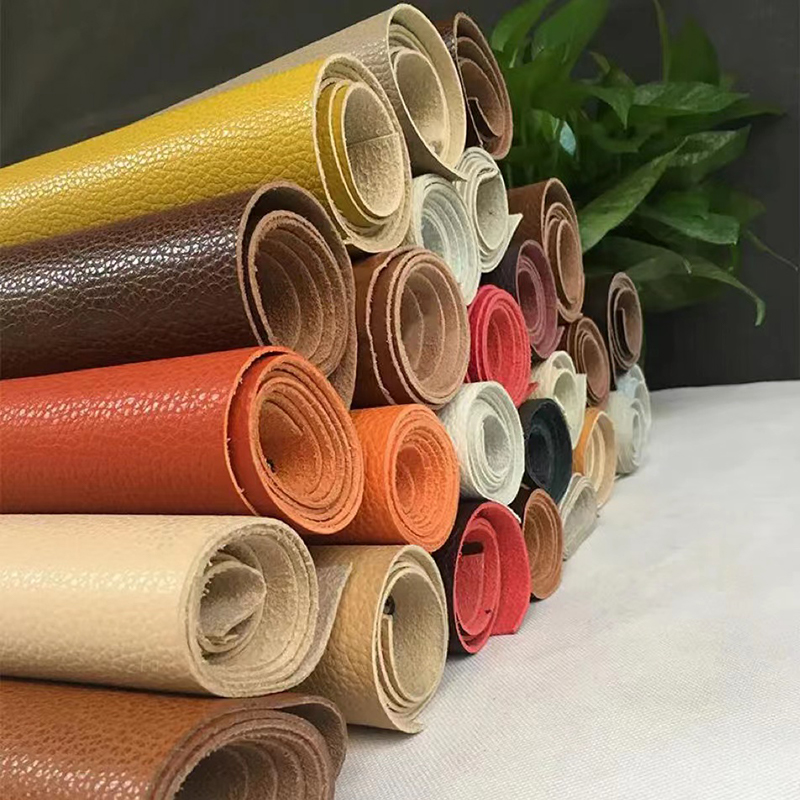
In the evolving landscape of sustainable materials, water-based polyurethane resins have emerged as a leading solution, marrying performance with environmental responsibility. Among these, anionic waterborne polyurethane resins stand out for their versatility and eco-friendly characteristics, propelling significant advancements across various industries including coatings, adhesives, and textiles.
**Understanding Water-Based Polyurethane Resins**
Polyurethane resins are a class of polymers known for their exceptional mechanical properties, chemical resistance, and flexibility. Traditionally, solvent-based polyurethanes have been widely used, but their high volatile organic compound (VOC) emissions pose environmental and health challenges. Water-based polyurethane resins present a promising alternative, significantly reducing VOC emissions and promoting safer, greener manufacturing processes.
Water-based polyurethane resins are synthesized by dispersing the polyurethane polymer in water, eliminating or drastically reducing the use of organic solvents. This not only mitigates environmental impact but also facilitates easier application and enhanced safety in handling.
**Anionic Waterborne Polyurethane Resin: A Game Changer**
Among water-based polyurethanes, anionic waterborne polyurethane resins are gaining attention for their unique molecular architecture and resultant performance benefits. These resins incorporate anionic (negatively charged) groups along the polymer chain, improving their dispersibility in water and colloidal stability. This molecular configuration enables the production of stable aqueous emulsions with fine particle size, leading to superior film-forming properties.
The anionic character also allows for better compatibility with various additives and pigments, making these resins highly adaptable for diverse formulations. Their excellent adhesion, flexibility, abrasion resistance, and environmental compatibility make them ideal for advanced coatings and high-performance adhesive applications.
**Applications and Industry Impact**
The adoption of anionic waterborne polyurethane resins is accelerating in sectors with stringent environmental norms and high-performance demands. Some notable applications include:
1. **Protective Coatings**: These resins provide tough, weather-resistant coatings that can withstand extreme environmental conditions, making them suitable for automotive finishes, industrial equipment, and outdoor structures.
2. **Textile Finishes**: Enhancing durability and flexibility in fabrics without compromising breathability, these resins contribute to the development of innovative textile products such as stretchable sportswear and water-repellent materials.
3. **Adhesives and Sealants**: Their robust bonding capabilities combined with eco-friendly handling make them preferred choices in construction, packaging, and electronic assembly industries.
4. **Wood Coatings**: Providing an excellent balance of gloss, hardness, and environmental safety, waterborne polyurethane resins help produce sustainable wood finishes that meet consumer expectations and regulatory requirements.
**Company Introduction**
{} is a pioneering company committed to advancing sustainable polymer technologies. With a strong focus on research and development, the company specializes in the innovation and production of waterborne polyurethane resins, particularly anionic varieties tailored for diverse industrial uses. Capitalizing on cutting-edge synthesis techniques and rigorous quality control, {} delivers products that meet the evolving needs of high-performance and eco-conscious markets.
The organization’s dedication to environmental stewardship aligns with global trends toward reducing chemical emissions and enhancing product safety. By integrating scientific excellence with customer-centric innovation, {} supports industries in transitioning toward greener materials without compromising quality or functionality.
**Research and Development: Driving Innovation**
At the heart of {}’s success is its robust R&D infrastructure, which continually refines waterborne polyurethane resin formulations. Researchers focus on optimizing the balance between hydrophilicity and hydrophobicity, molecular weight distribution, and ionic group density to fine-tune the resin’s properties for specific applications.
By leveraging advanced polymerization techniques, {} has developed anionic waterborne polyurethane resins that exhibit excellent particle stability, prolonged shelf life, and compatibility with a broad spectrum of additives. This enables customized resin solutions that can meet the specific mechanical, chemical, and aesthetic requirements of clients.
**Sustainability and Environmental Responsibility**
In line with the global push for sustainability, the shift from solvent-based to waterborne polyurethane resins marks a crucial step. {} champions this transition by promoting materials that drastically cut down VOC emissions and reduce hazardous waste.
Besides environmental benefits, the use of waterborne polyurethanes improves workplace safety by lowering exposure to harmful solvents. Moreover, the end products demonstrate enhanced durability, reducing the need for frequent re-coating or replacement, thereby supporting circular economy principles.
**Market Outlook**
The global market for water-based polyurethane resins is poised for significant growth, driven by stringent environmental regulations and increasing consumer demand for sustainable products. Anionic waterborne polyurethane resins, in particular, are expected to capture a growing share due to their superior performance metrics and formulation flexibility.
{} is well-positioned to capitalize on these trends, leveraging its specialized expertise and production capabilities. The company’s strategic investments in R&D and customer collaboration ensure it will continue to deliver innovative resin solutions that meet and exceed market demands.
**Conclusion**
The emergence of anionic waterborne polyurethane resins marks a pivotal advancement in the polyurethane industry, enabling greener, safer, and higher-performing materials. Through its commitment to innovation and sustainability, {} exemplifies leadership in this transformative field. As industries worldwide increasingly prioritize eco-friendly solutions, water-based polyurethane technologies will play a crucial role in shaping a sustainable future without sacrificing quality and performance.